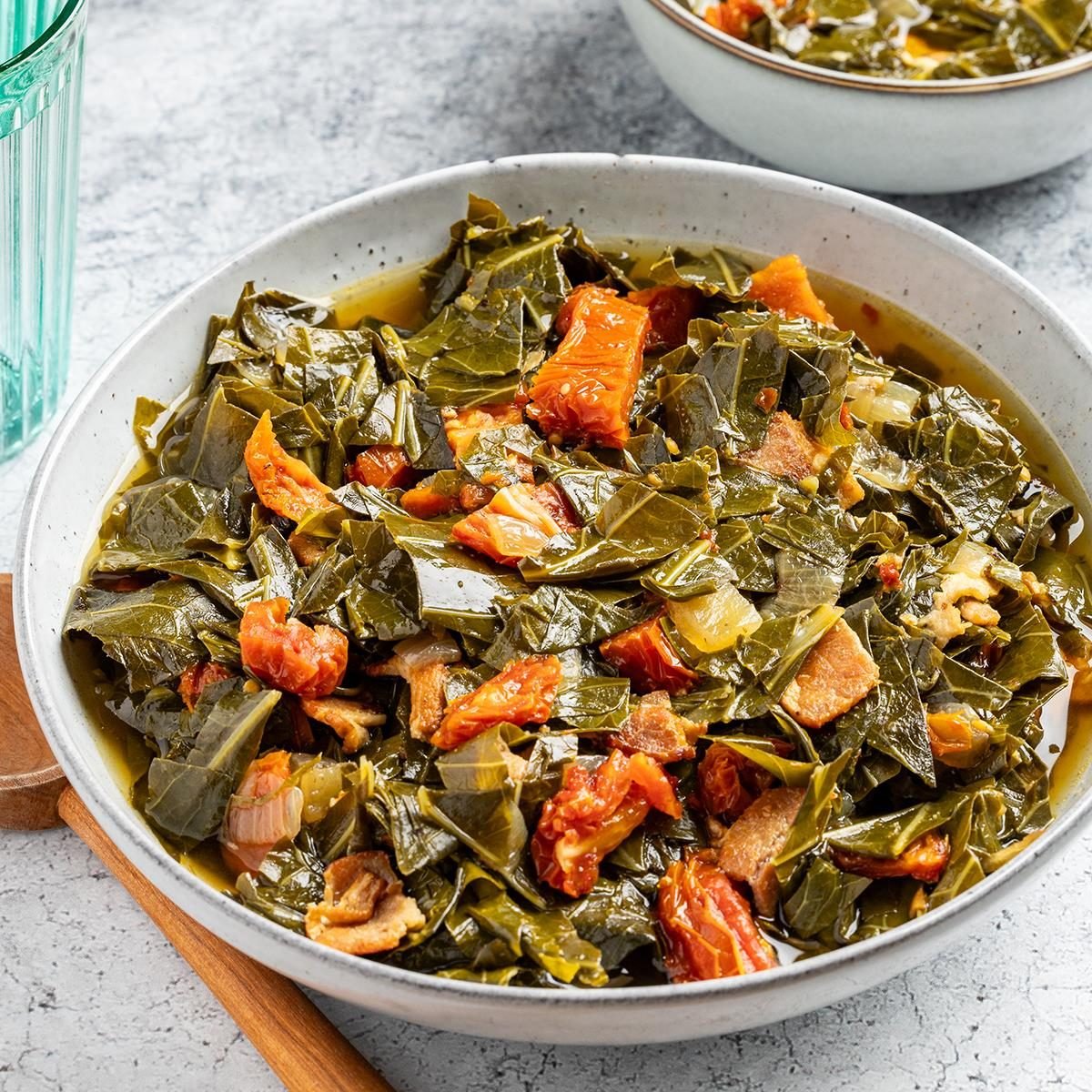
Southern Collard Greens: The Secret to Making Them Tender, Not Bitter
Few dishes evoke the warmth and comfort of Southern cooking quite like a steaming pot of collard greens. While often overlooked by those unfamiliar with their magic, these leafy greens, when prepared "the Southern way" – especially with smoky bacon – transform into an incredibly flavorful and satisfying side dish. For many, the very mention of collard greens brings to mind a rich tradition, particularly around New Year's Day, where they symbolize prosperity alongside black-eyed peas and cornbread. However, if you've ever had a less-than-stellar experience with tough, overly bitter greens, you know the challenge. But fear not! Mastering the art of making collard greens with bacon tender, deeply savory, and absolutely delicious is simpler than you might think, and we're here to guide you to culinary success.The Soulful Secret: Why Southern Collard Greens with Bacon are a Must-Try
The tradition of cooking collard greens runs deep in the American South, a testament to their enduring appeal and versatility. These sturdy greens, similar in family to kale and mustard greens, possess a distinct, earthy flavor that truly shines when given the slow, loving care of a traditional preparation. The key to unlocking their full potential lies in a few crucial elements, with bacon at the forefront. When you make Easy Collard Greens with Bacon: Smoky, Savory Side Dish, the rendered fat from the bacon provides an unparalleled richness, forming the foundational flavor upon which the entire dish is built. This smoky depth is what transforms potentially bland greens into a crave-worthy experience. Beyond bacon, the slow simmer is critical. Collard greens, when raw, are quite tough, with large, dark green leaves attached to fibrous stems. They demand time and gentle heat to break down, resulting in that coveted silky-tender texture. This unhurried cooking process not only softens the leaves but also allows all the robust flavors to meld beautifully. The "pot liquor" – the flavorful broth left after cooking – is often considered a delicacy in itself, perfect for soaking up with a piece of fresh cornbread. This simple yet profound side dish pairs wonderfully with a wide array of proteins, from baked chicken wings and slow cooker ribs to Cajun turkey and crock pot ham, proving its versatility on any Southern table.Unlocking Tender Perfection: Prepping Your Greens for Success
The journey to perfectly tender and non-bitter collard greens begins long before they hit the pot. Proper preparation is paramount, influencing both texture and flavor.1. Selecting the Best Greens:
Start by choosing quality greens. Look for bunches with vibrant, dark green leaves that are firm and crisp. Avoid any with yellowing, brown spots, or signs of wilting, as these can indicate older greens which may be tougher or more bitter. While traditionalists often prefer whole bunches, pre-bagged, pre-washed greens are a fantastic time-saver, though they may still benefit from an extra rinse.
2. The Essential Cleanse:
Collard greens can harbor a surprising amount of dirt and grit, so a thorough cleaning is non-negotiable. Submerge the leaves in a large basin or clean sink filled with cold water. Swish them around vigorously, letting any sediment sink to the bottom. Drain the dirty water, rinse the sink, and repeat this process two or three times until the water remains clear. This step is crucial for an enjoyable eating experience.
3. Stem Removal and Chopping:
The tough, woody central stem is another source of bitterness and chewiness. To remove it, fold each leaf in half lengthwise and use a sharp knife to cut along both sides of the stem, discarding it. Alternatively, you can simply tear the leaf away from the stem with your hands. Once the stems are removed, stack several destemmed leaves on top of each other, roll them into a tight cigar shape, and slice them into roughly 1-inch thick ribbons. This uniform chopping ensures even cooking and a more pleasant texture. You can prep your greens up to three days in advance and store them in the refrigerator, wrapped in a damp paper towel or in an airtight bag.
The Alchemy of Flavor: A Step-by-Step Guide to Cooking Collard Greens with Bacon
Now that your greens are perfectly prepped, it's time to infuse them with that iconic Southern flavor profile. The magic happens through a specific sequence of steps that build layers of savory goodness and actively combat bitterness. For a deeper dive into this technique, check out our guide on Mastering Collard Greens: Bacon, Vinegar, & Tender Perfection.Ingredients You'll Need:
- 1-2 pounds fresh collard greens (about 2 large bunches), cleaned and chopped
- 6-8 slices thick-cut bacon, diced
- 1 large yellow onion, chopped
- 3-4 cloves garlic, minced
- 4-6 cups low-sodium chicken broth (or vegetable broth for a less intense flavor)
- 1/4 cup apple cider vinegar (key for bitterness)
- 1-2 tablespoons hot sauce (e.g., Tabasco or Texas Pete), or to taste
- Salt and freshly ground black pepper to taste
- Optional: 1 teaspoon red pepper flakes for extra heat
Cooking Instructions:
- Crisp the Bacon: In a large, heavy-bottomed pot or Dutch oven, cook the diced bacon over medium heat until it's crispy and has rendered most of its fat. This usually takes 8-10 minutes. Once crispy, use a slotted spoon to remove about half of the cooked bacon and set it aside to use as a garnish later. Leave the remaining bacon and its rendered fat in the pot – this is your flavor foundation!
- Build the Aromatic Base: Add the chopped onion to the bacon grease in the pot. Sauté over medium heat for about 5-7 minutes, stirring occasionally, until the onion softens and becomes translucent. Add the minced garlic and cook for another minute until fragrant, being careful not to burn it.
- Introduce the Greens and Simmer: Gradually add the chopped collard greens to the pot. They will look like a huge amount, but they will cook down significantly. You might need to add them in batches, stirring until each batch wilts slightly before adding more. Once all the greens are in, pour in the chicken broth, making sure the greens are mostly submerged. Add a generous pinch of salt and black pepper, and if desired, the red pepper flakes.
- Low and Slow for Tenderness: Bring the mixture to a gentle simmer. Once simmering, reduce the heat to low, cover the pot, and let the collard greens cook slowly for at least 1 to 2 hours, or even longer (up to 3 hours). The longer they simmer, the more tender they will become. Stir occasionally to ensure even cooking. The goal is for them to be silky-soft, easily yielding to a fork, with no residual chewiness.
- The Bitter-Busting Finish: Once the greens are perfectly tender, stir in the apple cider vinegar and hot sauce. The acidity from the vinegar is crucial here; it brightens the flavor profile and, most importantly, expertly cuts through any remaining bitterness in the greens. The hot sauce adds a pleasant kick and another layer of complexity. Taste and adjust seasonings – you might need more salt, pepper, or hot sauce depending on your preference.
- Serve and Garnish: Spoon the tender, flavorful collard greens into a serving dish. Garnish generously with the reserved crispy bacon pieces. Serve hot and enjoy!
Beyond the Pot: Serving Suggestions and Expert Tips
Once you've mastered the art of making tender, non-bitter collard greens with bacon, you'll find they become a beloved staple in your culinary repertoire. But how do you best enjoy them, and what are some extra tips to elevate your dish?Perfect Pairings:
Collard greens are incredibly versatile. They are the quintessential side for classic Southern meals like Hoppin' John (especially on New Year's Day), fried chicken, roasted pork, or barbecued ribs. Their robust flavor stands up well to hearty main courses. Don't forget the cornbread! A slice of warm, buttery cornbread is ideal for soaking up the rich "pot liquor" left at the bottom of the bowl, arguably the best part of the dish for many. Black-eyed peas are another traditional companion, rounding out a truly Southern feast.
Storage and Leftovers:
Cooked collard greens store well in an airtight container in the refrigerator for up to 3 days. They often taste even better the next day as the flavors have more time to meld. To reheat, gently warm them on the stovetop over low heat, adding a splash of chicken broth or water if they seem too dry. We generally don't recommend freezing this recipe, as the greens can become watery and mushy upon thawing, losing their desirable texture.
Troubleshooting Tips:
- Still Bitter? If your greens still have a slight bitter edge after simmering, don't despair. Add another tablespoon or two of apple cider vinegar, or a squeeze of fresh lemon juice, and let them simmer for another 15-20 minutes. The acid is your best friend here.
- Not Tender Enough? The most common reason for tough greens is insufficient cooking time. Collard greens need a long, slow simmer. If yours aren't tender, simply put them back on low heat, add a little more broth if needed, cover, and continue cooking until they reach your desired tenderness. Patience is key!
- Enhancing Flavor: For an extra layer of umami, consider adding a ham hock or a smoked turkey leg to the pot along with the bacon at the beginning of the cooking process. Remove it before serving, or shred the meat and stir it back into the greens.
